Creating an Otter-Friendly Garden Pond: A Checklist for UK Homeowners
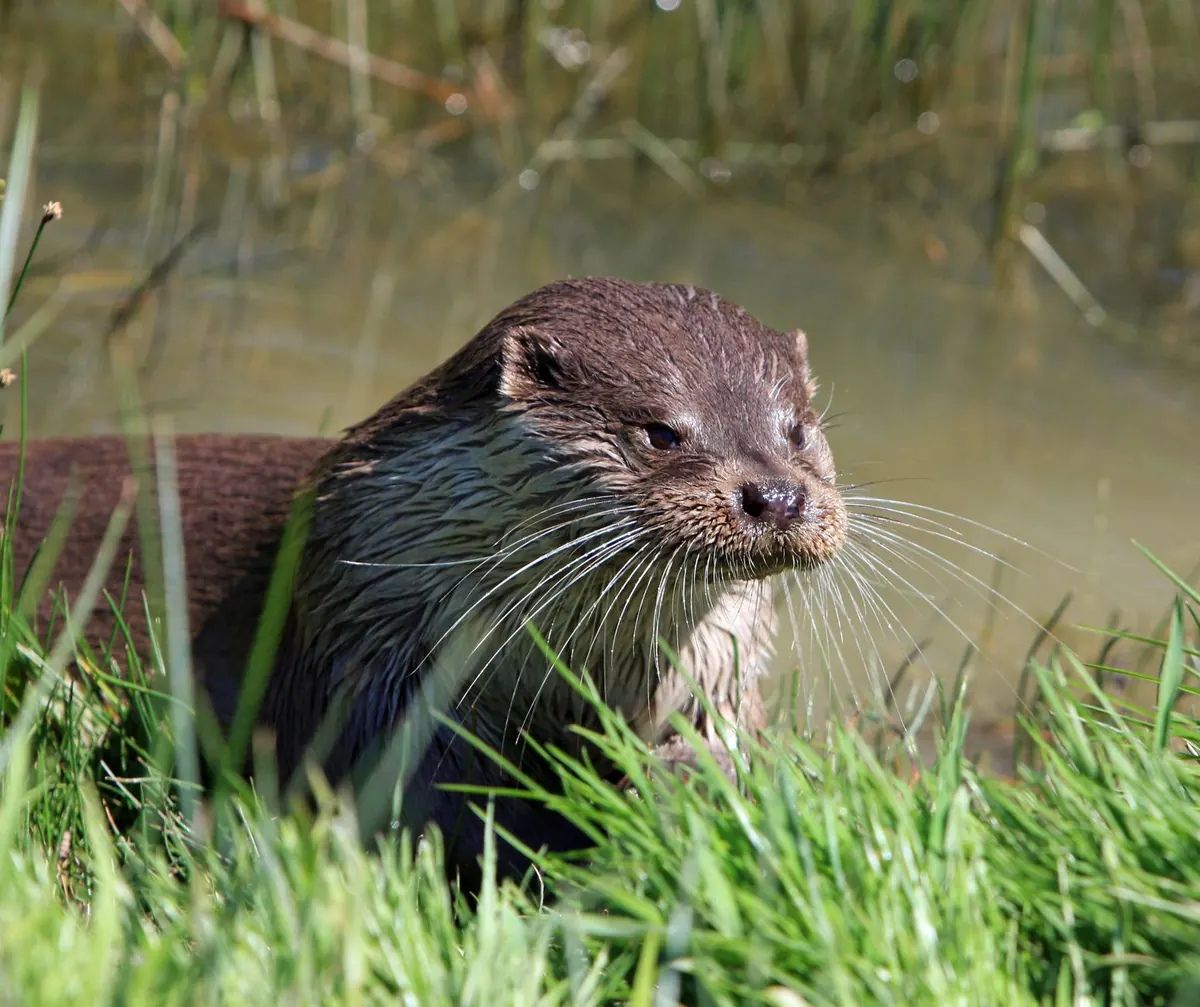
Otters have made a steady comeback along many British rivers, canals and coastal margins, and where they travel, they look for water. A garden pond is never going to be a substitute for a good riverbank, but it can be a useful stop on the way — a place to hunt, rest and move through, with frogs, newts and small fish on offer.
The trick is to think less about luring an otter in and more about fitting your pond into the landscape around it. Otters are wide-ranging, largely nocturnal and wary of people. Give them clean water, cover and an easy route, and you have done your bit, whether or not one ever shows up.
Start with where the pond sits
Connectivity matters more than anything else. A pond in a garden that backs onto a river, canal, brook or sizeable stream has a real chance of being visited. A pond in a new-build cul-de-sac, half a mile from the nearest ditch, probably won't be — but it will still be valuable for amphibians, insects and birds.
Look at your boundaries. Solid panel fencing blocks everything. A 13cm gap at the base of a fence, a native hedge instead of a wall, or a planted gap at the bottom of the garden all help otters, hedgehogs, frogs and toads move through the same route. If your garden runs down to water, leave the bank as rough and vegetated as you can rather than mowing it flat.
Get the shape of the pond right
Depth and shelves
Aim for roughly 60–80cm at the deepest point. That keeps the pond from freezing solid in a cold snap and gives fish somewhere cool to sit in summer. Around the edge, build a shallow shelf 20–30cm deep for marginal plants, which is where a great deal of pond life happens.
Edges that let animals out
Straight, vertical sides turn a pond into a trap. Anything that falls in — a hedgehog, a frog, a young otter — needs a way out. Sloping banks, stepped stone edges, a half-submerged log or a piece of rough timber angled into the water all work. Butyl or EPDM liners are fine, but bury the edges under turf or gravel and check there is nothing sharp exposed.
Water quality
Otters hunt by sight and touch, and murky, stagnant water supports less prey. Rainwater top-ups, plenty of oxygenating plants and no chemical treatments will keep things clearer. Avoid running a pump that churns the surface all night; a quiet pond is a more natural one.
Plant the margins and the garden around it
Native marginal plants give cover for fish and amphibians and shade the water in summer. Good choices include marsh marigold, water mint, purple loosestrife, bogbean, water forget-me-not and lesser spearwort. Underwater, hornwort and water starwort provide shelter without taking over.
Steer clear of invasive non-natives such as floating pennywort, water fern, parrot's feather and New Zealand pygmyweed. They spread fast, are hard to remove and can be illegal to allow to spread into the wild.
Then look outward. A log pile in a shady corner, a brash pile behind the shed, a patch of long grass and a native hedge turn a bare pond into habitat. These places shelter frogs and beetles, and they give an otter somewhere to rest and approach unseen.
Help the prey, and the otters follow
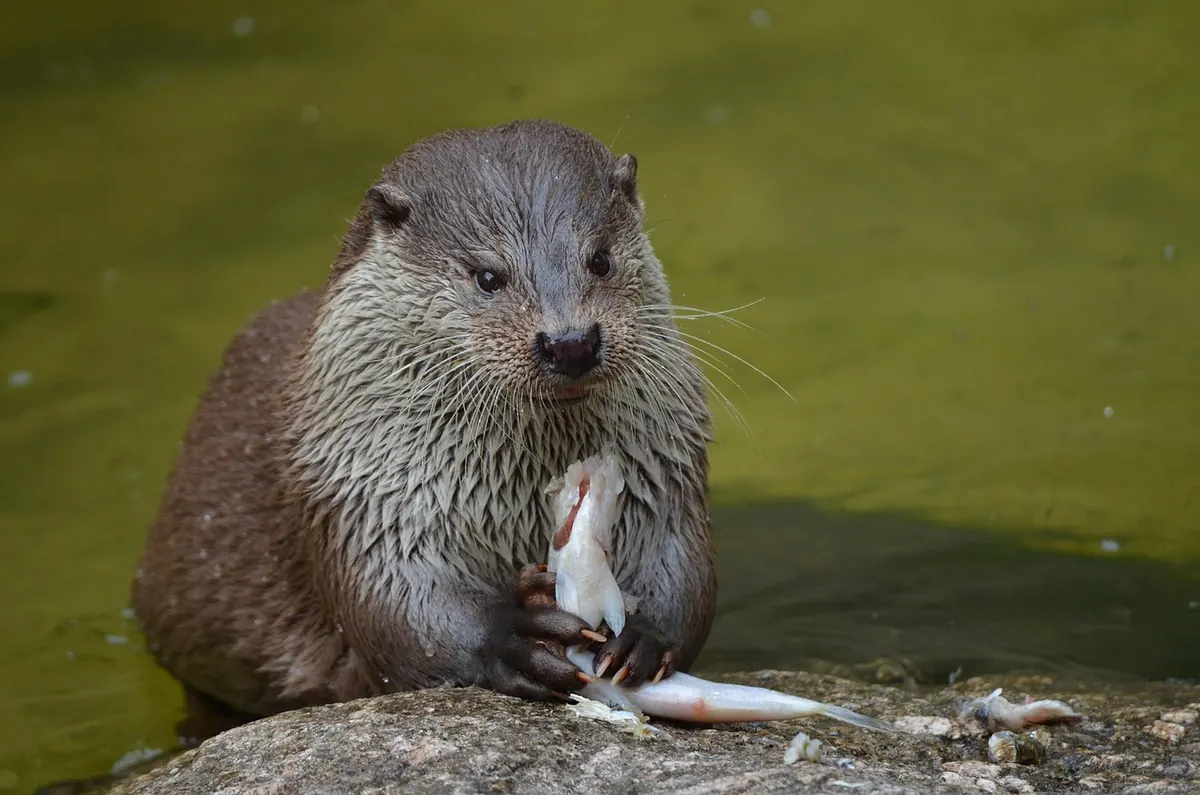
Otters eat fish, eels, amphibians and the occasional water bird. A pond that supports a decent food chain is the single most useful thing you can create.
- Small native fish such as sticklebacks, minnows and rudd suit a garden pond better than large carp, which muddy the water and eat everything else.
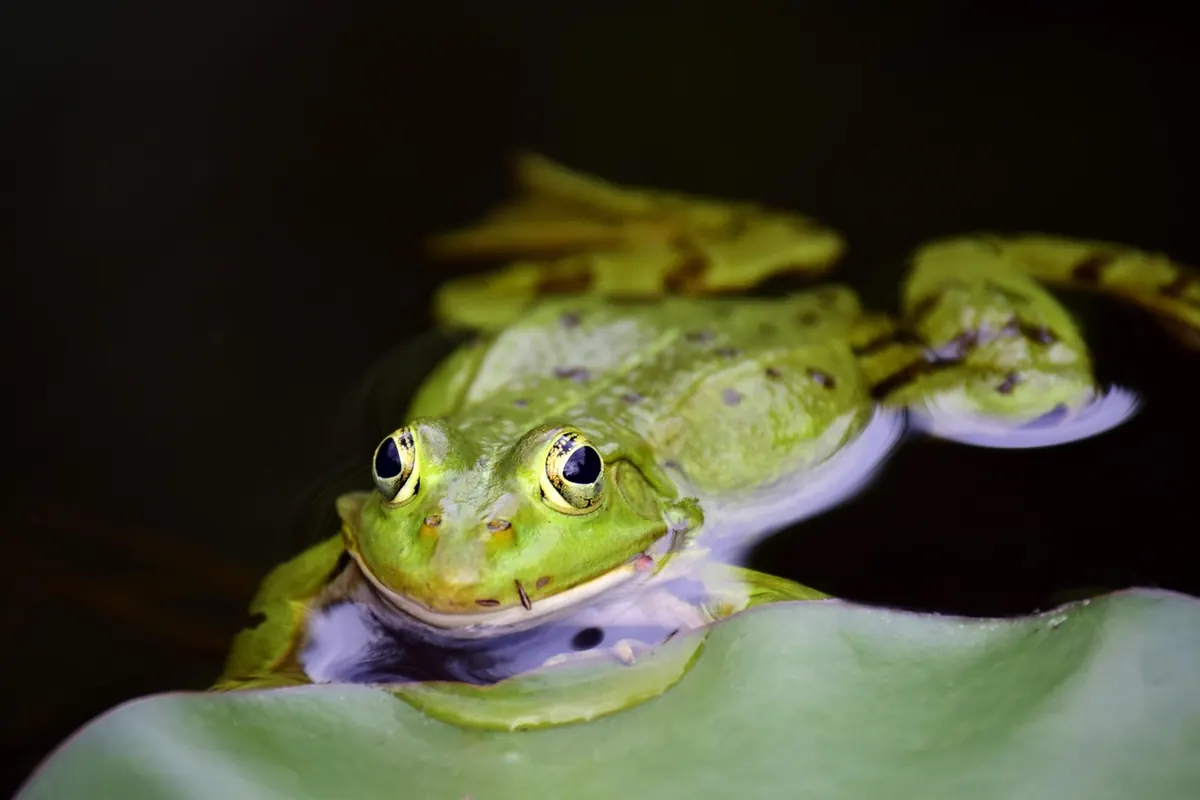
- Frogs, toads and newts will arrive on their own if the pond is planted and chemical-free. Their spawn and tadpoles are prime otter food.
- Eels use ponds and small waters, though their numbers are low nationally. If one turns up, leave it be.
- Don't overstock, and don't feed heavily. Uneaten food fouls the water and attracts rats.
- Never move fish between ponds or from a river into your garden. It risks spreading disease and invasive species.
Remove the hazards
Most of the risks in a garden pond come from things we add for convenience.
- No netting over the water. Heron netting, fruit netting and pea netting entangle otters, hedgehogs, bats and birds. If herons are a problem, use a raised frame, a dyed pond or deeper water instead.
- No slug pellets. Metaldehyde and similar products wash into ponds and harm wildlife well beyond slugs.
- Skip pond dyes and heavy algal treatments, and never tip chemical water down a drain that leads to a watercourse.
- Keep lighting low. A dusk-to-dawn floodlight over a pond will put off most nocturnal animals. Motion-sensor lights, aimed away from the water, are a better compromise.
- Keep dogs on a lead at dusk if you know otters use the area, and never corner one. They are wild predators and will defend themselves.
- Don't feed otters. Handouts make them bold around people, roads and dogs.
Signs that an otter has called in
Otters leave spraint — dark, tarry droppings, often packed with fish bones and scales — on flat rocks, logs and grassy tussocks at the pond edge. It is frequently described as smelling faintly of jasmine tea or hay rather than being unpleasant. Look too for five-toed footprints with visible webbing in soft mud, flattened runs through long grass, and fish scales scattered on the bank.
Otters are protected by law in the UK, so watch from a distance, keep the dog away and leave the site undisturbed. Early morning and late evening are the best times to look.
The realistic version
Most garden ponds will never see an otter, and that is perfectly normal. What matters is whether the pond is doing something useful: holding clean water, supporting amphibians and insects, and sitting in a garden that is a little less sealed off than it was.
Start with the easy wins. Cut a gap in the fence. Add a log or a sloped stone at the pond edge so nothing gets trapped. Take the netting down. Put in a few native marginals and leave one corner of the garden untidy. If your garden touches a river or canal, those small changes are the ones that count.
One practical note for households with small children: any garden pond needs supervision, and if you have toddlers, a raised pond or a sturdy grid just below the surface is a sensible precaution. Otters and children can both be accommodated — with a bit of planning.
Photo: ulleo / Pixabay