Coastal Otters of Scotland: A Beginner's Guide to Finding and Watching Them

Scotland’s coastline is one of the best places in Europe to watch otters. These are Eurasian otters, and on the coast they are often active by day, hunting among kelp and along rocky shores. They are still wild and easily disturbed, so the reward goes to those who slow down, read the water and keep their distance. This guide covers where to look, how tides shape their behaviour, and the field craft that turns a lucky glimpse into a proper sighting.
Why the coast suits them
Scotland’s west and north coasts offer exactly what otters need: sheltered sea lochs, shallow bays, kelp forests and rocky shorelines rich in fish, crabs and shellfish. Unlike inland otters, which may be more nocturnal, coastal otters often hunt during daylight, especially where they are not persecuted. They also need fresh water to drink and to wash salt from their fur, so burns, lochans and drainage pools near the shore are important.
A good coastal otter territory usually has three things close together: food, fresh water and secure resting places. Holts can be in rock piles, under tree roots, in burrows or beneath old buildings. Understanding this helps you predict where an otter might appear. Look for coastlines with a mix of exposed rock, seaweed and calm water rather than long uniform sandy beaches. Sea lochs and voes with a narrow entrance and plenty of shoreline are excellent.
Where to start looking
If you are new to coastal otters, head to the north and west. Shetland, Orkney, the Outer Hebrides, Skye, Mull, Ardnamurchan, Morvern, Kintyre and the Argyll coast all hold good populations. You do not need a boat. Many sightings come from a road lay-by, a public path or a quiet picnic site beside a sea loch. The best-looking spots have:
- Sheltered water with rocky edges or kelp beds close to shore.
- A freshwater burn or pool within a short distance.
- Plenty of low cover, such as rocks, boulders or hedges, for you to sit behind.
- Limited disturbance from roads, dogs and people.
Arrive early, park safely and walk a short stretch of coast. Do not march along the water’s edge. Pick a vantage point, sit still and scan. Otters can appear anywhere, but they often use the same routes: along the kelp edge, through narrow channels, or around points where currents concentrate fish. If you see a likely bay, give it at least an hour before moving on.
Reading the tide
Tides matter more than most beginners expect. Otters on the coast follow the water, because that is where their food is. A falling tide exposes rocks, kelp and shallow channels where fish and crabs become easier to catch. A rising tide pushes water back over the shore and can bring otters closer to land. There is no single magic hour, but many sightings happen in the first two or three hours after low water, or as the tide begins to flood. Very low spring tides can open up huge areas of shore, spreading the otter’s attention. Very high tides may push them to rest.
A simple tide plan
Check a local tide table before you go. Note the time of low and high water, then plan to be in position at least an hour before the best window. If the tide is slack and the water is flat, watch the edges anyway. An otter may be diving in only a metre or two of water.
Light, weather and timing
Coastal otters can be seen at any time of day, but light makes the difference between a dark blob and a clear view. Early morning and late afternoon often give the softest light, and the low sun can pick out a wet otter against a dark shore. Overcast days are also good, because there are no harsh shadows. Bright midday sun can turn the water into a mirror, making it hard to spot a head or wake.
Wind matters too. A light breeze rippling the surface can help break up your outline, but it can also make every wavelet look like an otter. Try to keep the wind in your face. Rain is not a deal-breaker; otters still fish, and few people are out. In summer, midges can be fierce, so take repellent and a head net if needed. In winter, daylight is short, so plan around a single tide window.
Field craft that works
The single most important skill is patience. Otters are curious but wary. They often surface, look around and dive again. If you are moving, talking or standing on the skyline, you will miss them. Wear dull, quiet clothing. Leave the dog at home or keep it on a short lead well away from the shore. Walk slowly, stop often and use rocks, walls or bushes to break your outline.
When you spot an otter, do not point, wave or creep closer. Sit down if you can. Let the otter choose the distance. Binoculars of 8x42 or 10x42 are ideal; a spotting scope helps at longer range but is not essential. Watch for a head with a pale throat, a long body and a thick tail. A diving otter may show a smooth roll, then a V-shaped wake. A seal will often be larger, with a dog-like head. A mink is smaller, darker and more frantic. If the otter disappears, note the direction and wait. It may surface again nearby.
Signs to look for
Learning otter signs helps you find likely places and avoid wasting time. Look for:
- Spraints. Otter droppings are often left on prominent rocks, ledges or grass tussocks. They are dark, tarry and may contain fish bones, scales or crab shells. Fresh spraints have a distinctive sweet, fishy smell.
- Footprints. In mud or sand, look for five-toed prints with a broad pad and claw marks. A walking otter may leave a trailing line where its tail has brushed the ground.
- Slides. Smooth, worn channels in grass or moss on steep banks, often leading down to water.
- Feeding remains. Piles of crab claws, fish bones or sea urchin shells near a favourite rock.
- Holts and lie-ups. Rock piles, root systems and dense scrub near the shore. Do not approach or enter them.
If you find a lot of fresh signs, slow down and watch from a distance. Do not share precise holt locations online or with large groups. Otters are protected by law, and disturbance at a holt or resting place can be an offence. Follow the Scottish Outdoor Access Code and keep any wildlife watching low-impact.
A simple plan for your first otter watch
Pick a sheltered sea loch or bay with a freshwater burn nearby. Check the tide table and aim to arrive an hour before low water. Park considerately, walk a short distance and choose a sitting spot with a clear view but some cover. Scan slowly with your eyes, then binoculars. Look for a head, a wake or a bird alarm call. Give it two hours. If nothing appears, try the next bay or return on the rising tide. Keep quiet, keep your distance and count any sighting as a good one. Coastal otters are never guaranteed, but Scotland gives you better odds than almost anywhere else. Take your time, and the coast will show you how it works.
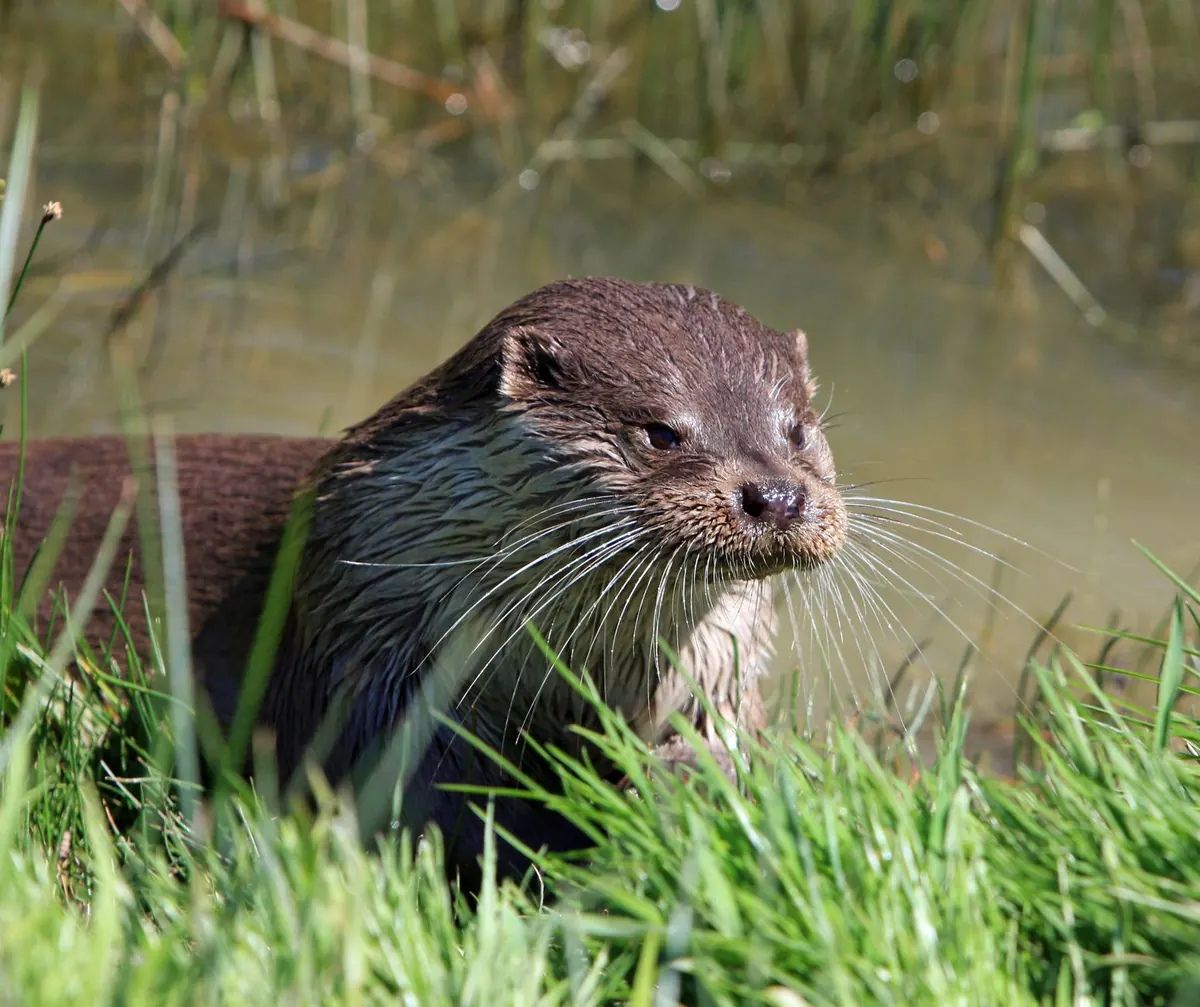
Photo: garten-gg / Pixabay